Product Overview
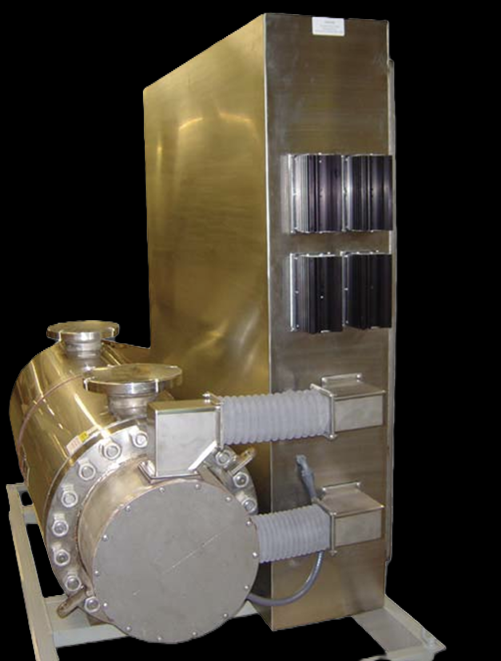
An RO water preheater is a circulation (inline) heater applied to reverse-osmosis feed water. Colder feed water filters less efficiently — a higher temperature allows greater flow, and RO membrane elements and systems are rated at 77°F (25°C) — so the heater brings the feed up to that rating to restore membrane flux and product flow. The water is piped through the heater and leaves at a controlled outlet temperature; Indeeco can deliver the system as a packaged, prewired ASME-certified skid that bundles the circulation heater with a matched control panel as one complete unit. Choose it to preheat the feed to a reverse-osmosis train; for general inline fluid or gas heating, the standard circulation heater applies.
Key Features & Benefits
- Restores RO membrane flux on cold feed water — colder feed water filters less efficiently, so product flow falls when the ambient drops; warming the feed back up brings the flux back. The fix when low water temperature is throttling your RO output.
- Heats the flowing feed stream, not a tank — the feed runs continuously through the heater, so there is no storage tank to heat and no element dropped into the process. Heats what is moving through the pipe, continuously.
- Delivered as a packaged, prewired skid — the circulation heater and its control panel can be supplied mounted, packaged, and prewired as one complete unit, so the system arrives ready to set and connect. One skid instead of a heater, a panel, and a field wiring job.
- Built and certified as an ASME pressure vessel — the skid vessels are engineered and certified to ASME so the system drops into the plant as a qualified pressure component. The certification your inspector expects on a pressurized heater, built in.
- Custom-built to the project — the system is engineered to the specific feed flow, temperature rise, and plant requirements rather than pulled from a fixed catalog rating. Sized to your RO train, not to a stock SKU.
Specifications
- Operating principle
- A circulation (inline) heater applied to reverse-osmosis feed water. Electric resistance elements sit in an insulated vessel; the RO feed water is piped through the heater and leaves at a controlled outlet temperature. The aim is to raise cold feed water to the temperature the RO membranes are rated for, so the membranes deliver their rated flux. “A circulation heater was the choice for the project.”
- Mounting / installation
- Inline (circulation) — plumbed into the RO feed line, heating the flowing stream ahead of the membrane bank rather than heating a tank. Delivered on this project as a packaged, prewired skid system that mounts the heater and its control panel together as one complete unit.
- Pressure vessel & nozzles
- An insulated circulation vessel with the feed water piped through it. On this project the vessels were furnished as ASME-certified pressure vessels suited to a continuous demineralized-water duty.
- Process / fluid temperature
- Sized to bring cold RO feed water up to the membrane rating. On this project the heaters were specified to heat the water to 77°F (25°C) — the temperature at which the project’s reverse-osmosis membrane elements and systems were rated — from the lower ambient feed temperature that was throttling product flow.
- Wattage range
- Sized to the feed flow and the temperature rise required. The delivered project used two skid systems rated 660 kW each, each capable of heating water to 77°F at a flow rate of 150 gpm. Your kW is sized to your own flow rate and ΔT at quote time.
- Control integration
- Furnished with a matched control panel to support the heater; on this project the heater and panel were packaged and prewired as a complete unit so the skid arrived ready to connect. Control scheme is matched to the required outlet tolerance at quote time.
- Approvals & listings
- The delivered skid systems were ASME certified. As with any pressurized circulation system, the user is responsible for the outlet relief valve, process over-temperature protection, and a low-flow / no-flow interlock per the installation manual and local code.
- Build & lead time
- Custom build-to-order — no published price list, quote-only. Lead times typically run about 3 to 14 weeks depending on configuration, hazardous-area documentation, and code-stamp requirements.
Common Applications
- Reverse-osmosis feed-water preheat to restore membrane flux / product flow in cold conditions — the core duty
- Demineralized-water production for power-plant closed-loop steam systems — making up condensate lost to steam-drum blowdown, vents, and drains
- Water treatment and process-water conditioning ahead of an RO train
- Power generation make-up-water systems requiring continuous demineralized-water capacity
Design & Selection Considerations
- Preheat targets the membrane temperature rating, not a guess — RO membrane permeability rises with temperature, so the feed is brought up to the temperature the membranes are rated for (77°F on this project) to recover product flow — not higher, which can damage the membrane. Heat to the membrane spec; check the membrane’s maximum feed temperature before setting the setpoint.
- No flow is as dangerous as no fluid — a circulation heater energized against a closed valve or a stopped feed pump overheats fast. A flow switch or pump interlock plus an independent high-limit are not optional. Interlock the heater to proven feed flow and you remove the most common field failure.
- Demineralized water is an aggressive, low-conductivity service — RO and demineralized water are corrosive to many common metals and carry almost no scale to passivate a surface, so the wetted materials must be chosen for high-purity duty rather than for ordinary process water. Spec the wetted vessel and elements to demineralized-water service, and confirm them on the quote.
- Size the skid to the cold-day feed temperature — the required kW is set by the worst-case (coldest) feed temperature and the flow you must sustain — size on the mild-weather feed and the heater falls short exactly when low ambient is hurting RO flow. Use the input form to give us the cold-start feed temperature and the maximum flow, not the average.
- Protect the relief path on a pressurized loop — the feed water is under pressure, so an outlet relief valve is required and no shutoff may sit between it and the heater or between it and atmosphere. Keep the relief path open at all times — design it in, do not let a valve defeat it.
To spec the right Indeeco RO water preheater:
Use the input form to send your RO feed-water flow rate (min / max), the cold-start feed temperature, the target preheat temperature (your membrane’s rating), the maximum design pressure and pressure drop, the available voltage and phase, and whether you want the heater and control panel packaged as a prewired skid — and we’ll size the kW and spec the right Indeeco RO preheat system for your reverse-osmosis train.
Electric Heating Application Sheet ›Talk to an engineer directly — Scott Prater, Principal · 917-580-0878 · scott@pratertechnical.com
Specifications compiled by Prater Technical Partners from Aspeq Heating Group product datasheets.