About this category
WIKA Sensor Technology oil & gas sensors instrument the wellsite from one supplier: the Model 1502 Hammer Union transmitter reads frac and well-service manifold pressure to 20,000 psi on the connection the site already runs; the XRT reads temperature from inside the same pressurized line; the well-service load cells put force measurement on the moving parts — polished rod, coiled tubing, and wireline; and the Model F5301 load pin reads mast weight, hook load, and overload wherever a gauged pin can replace a sheave or clevis pin. Intrinsically-safe pressure transducers to 25,000 psi (INCONEL wetted parts available) round out the set by quote — Prater Technical works with you to spec the right WIKA-ST wellsite sensor.
Choose a WIKA-ST oil & gas family
Click any Series box for details →
 WIKA-ST · Oil & Gas Sensors
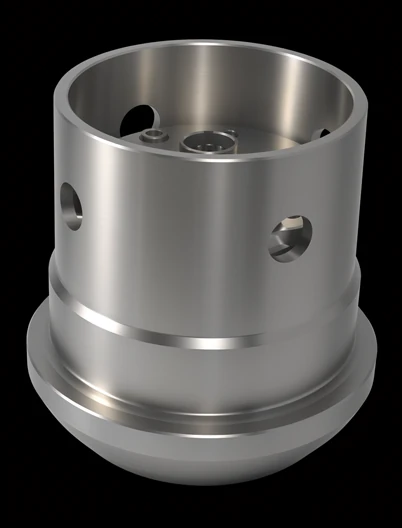
Model 1502
Hammer Union
Frac & well-service manifold pressure to 20,000 psi — Inconel X-750 / NACE
View product line
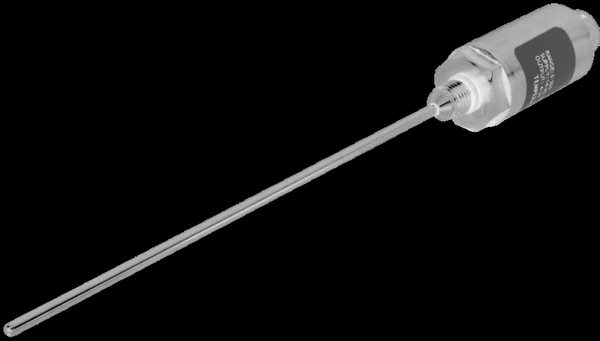
XRT Temperature
Transmitter
Temperature inside the pressurized line — to 350°F, 3,000 psi minimum
View product line
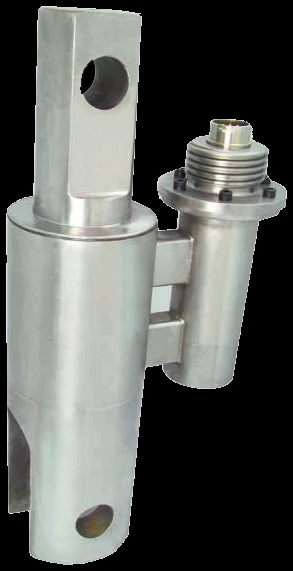
Well-Service
Load Cells
XLDR polished-rod, coiled-tubing & wireline/slickline forces
View product line
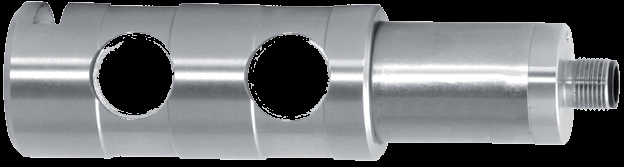
Model F5301
Load Pin
Mast weight, hook load & overload monitoring — to 45,000 lb, optional ATEX
View product line
Industries Served
Territory Coverage
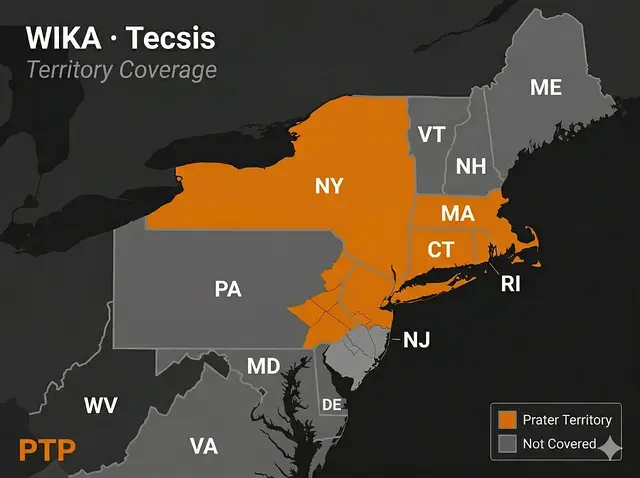
New York: Full state
Connecticut: Full state
Massachusetts: Full state
Rhode Island: Full state
New Jersey: Northern NJ
Pennsylvania: Eastern PA — Allentown–Philadelphia corridor
Connecticut: Full state
Massachusetts: Full state
Rhode Island: Full state
New Jersey: Northern NJ
Pennsylvania: Eastern PA — Allentown–Philadelphia corridor
Territory detail above applies to WIKA Sensor Technology and the legacy tecsis line (Force, Pressure & Torque). Other manufacturer lines have their own coverage — see each brand’s page.
Specifications compiled by Prater Technical Partners from WIKA Sensor Technology Oil & Gas Sensors product datasheets.