About this category
Telog is Badger Meter's infrastructure-telemetry line — battery-powered, cell-tower-based, and solar-ready standalone recorders and cellular RTUs that log to local memory first and operate standalone indefinitely, so a site keeps recording with no power or signal, and optionally stream to the Telog RM cloud. Selection is by monitoring program, not model number: hydrant and pipeline pressure surveys use the HPR-32A and PR-32A; surge and water-hammer hunting needs the high-speed impulse capture of the HPR-32iA / PR-32iA; rainfall-runoff correlation adds the RG-32A tipping-bucket rain gauge; multichannel cellular telemetry uses the Ru-32mA / Ru-32iMA; CSO/SSO and inflow-and-infiltration work the IP68 submersible Ru-35; and continuous wastewater duty the externally-powered RS-45 (AC adapter or solar feed) — paired with your device. Open-channel flow is measured by the Raven-Eye 2 radar-Doppler (±0.5% velocity) and Beluga submerged-ultrasonic (±1%). Prater Technical works with you to spec the recorder, RTU, and sensor to your program and ships them through our Brooklyn facility configured to your outputs — Modbus RTU, 4–20 mA, or SDI-12 to SCADA, or the Telog RM portal.
Telog Series
Click any Series box for details →
 Badger Meter — infrastructure telemetry
& hi-accuracy open-channel measurement
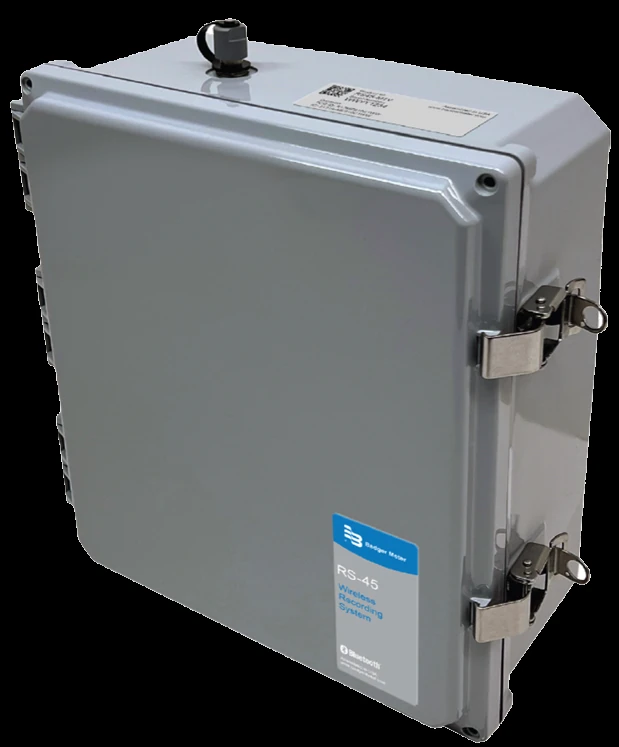
Ru-35 Submersible RTU
IP68 — CSO/SSO & I&I event monitoring
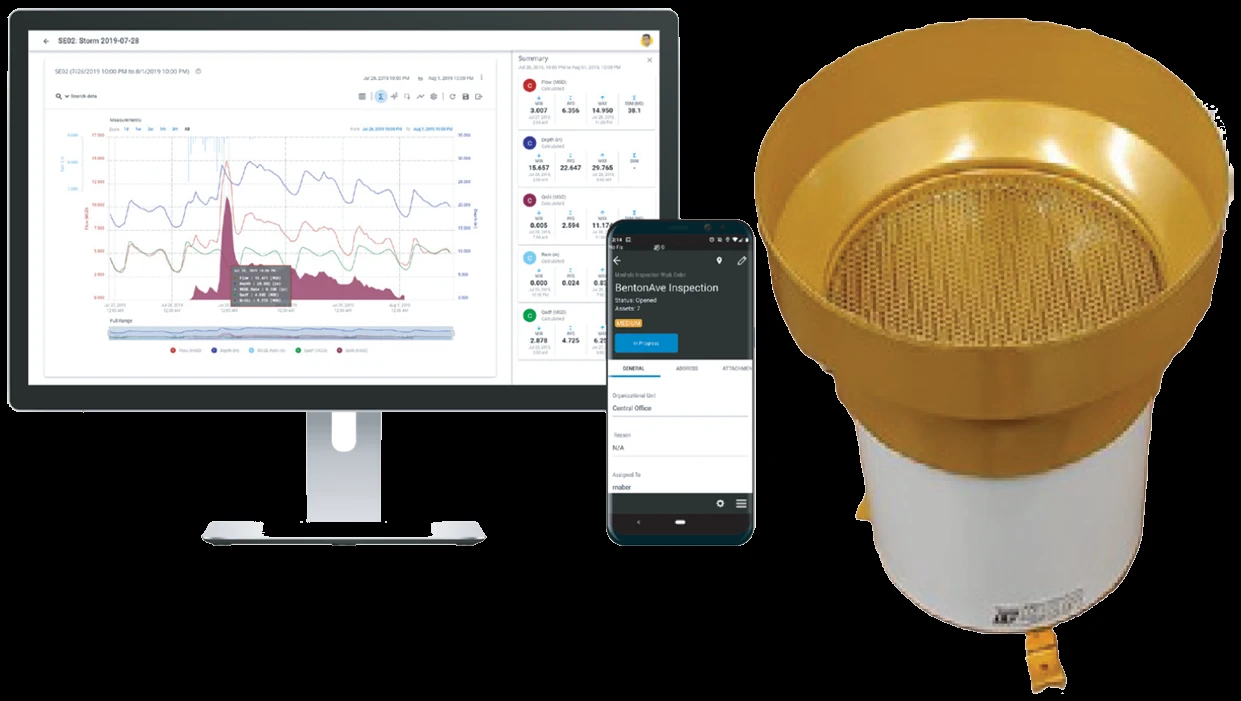
RG-32A Rain Gauge
Tipping‑bucket recorder, rainfall‑runoff
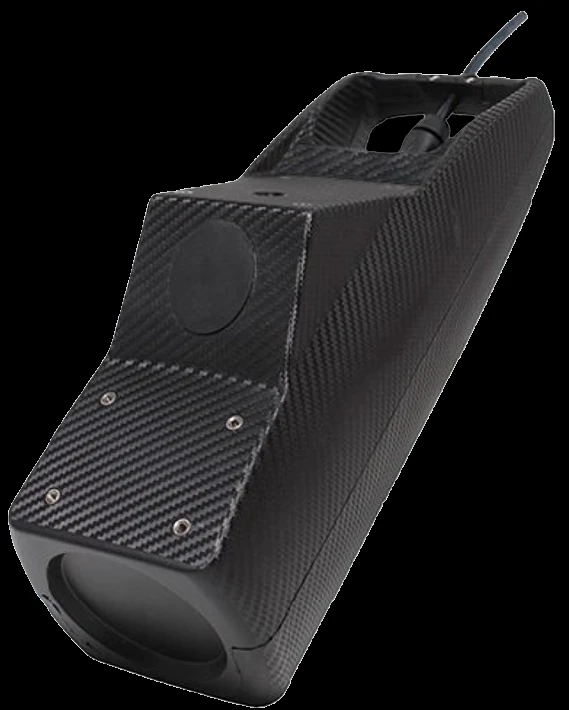
Raven-Eye 2 Radar Sensor
Non‑contact radar area/velocity, ±0.5%
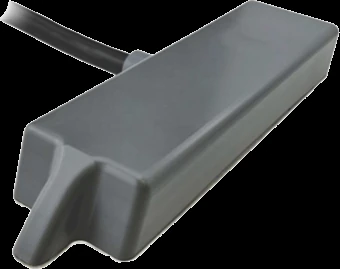
Beluga A/V Sensor
Submerged ultrasonic area/velocity, ±1%
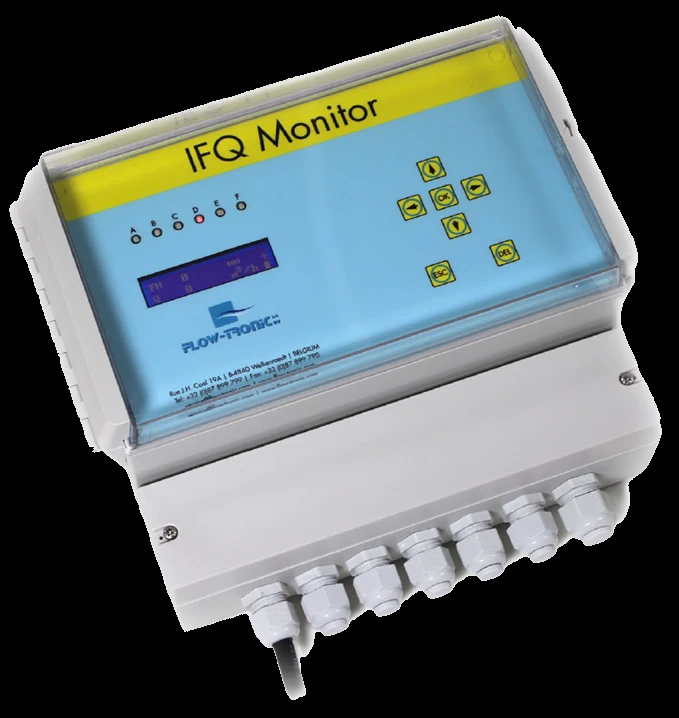
IFQ Monitor
Open‑channel head‑end display/converter · dual 4–20 mA
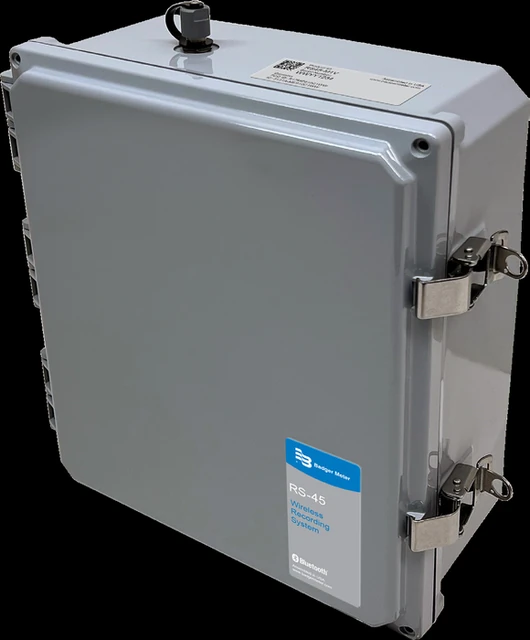
RS-45 AC/Solar RTU
External AC or solar feed, multi‑sensor, continuous duty
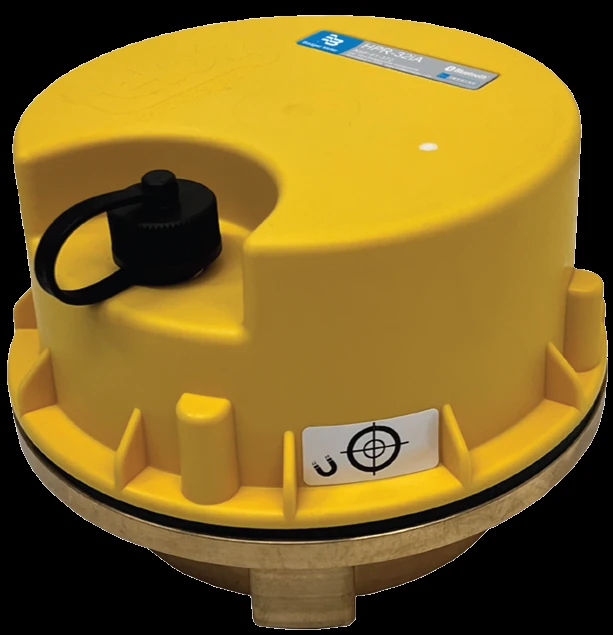
HPR-32A Hydrant Pressure Recorder
Battery hydrant pressure · fire‑flow & transient capture (HPR‑32iA)
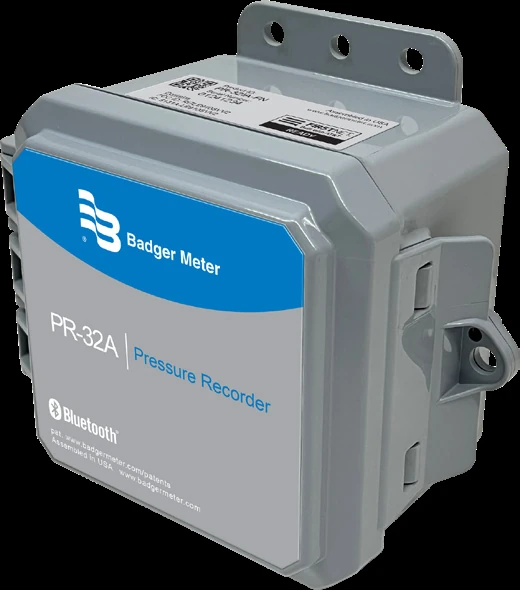
PR-32A Pipeline Pressure Recorder
Battery pipeline pressure · surge/transient capture (PR‑32iA)
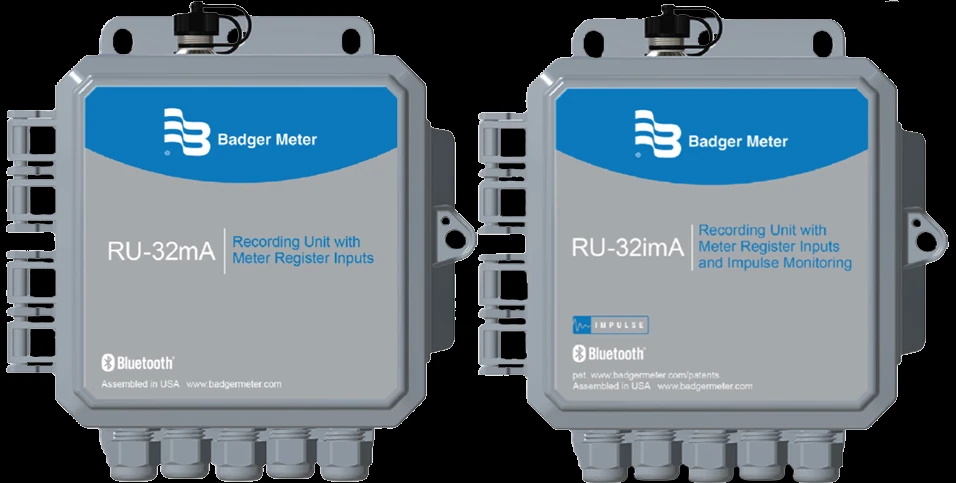
Cellular RTUs
Ru‑32mA & Ru‑32iMA multichannel telemetry
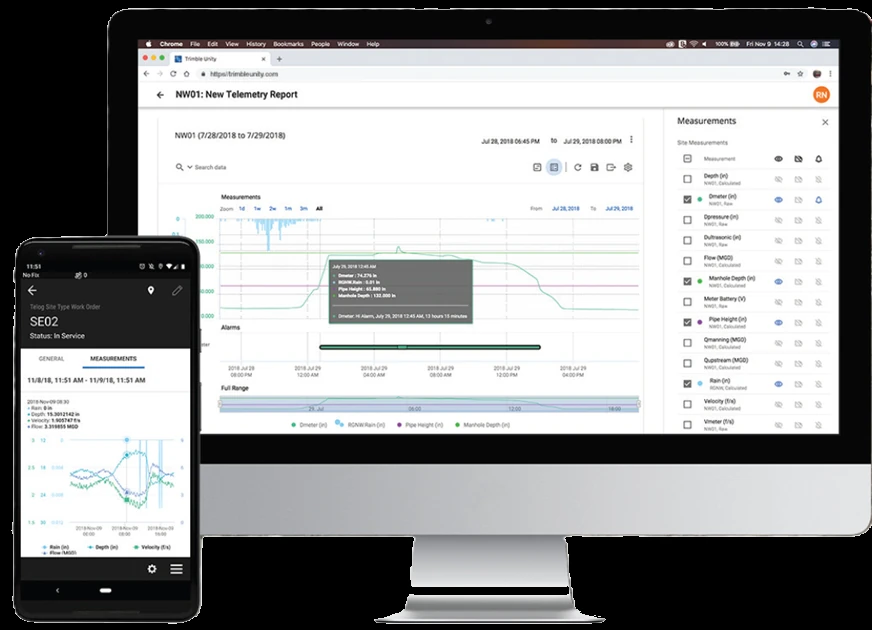
Telog RM Cloud Platform
Cloud remote monitoring · Esri GIS‑based
Industries Served
Water & Wastewater
Stormwater
Power Generation
Chemical Processing
Sub-Metering
Oil & Gas
Irrigation & Agriculture
Food & Beverage
FAQ: Remote Telemetry & Field Recorders
What is Telog?
Telog is Badger Meter’s infrastructure-telemetry line — battery-powered, cell-tower-based, and solar-ready standalone recorders and cellular RTUs that monitor pressure, level, flow, and rainfall across a water or wastewater network. It watches the system itself (pressure zones, hydrants, pump stations, sewers), logging to local memory first and optionally streaming to the Telog RM cloud.
What can Telog monitor?
Pressure — the HPR-32A hydrant recorder and PR-32A pipeline recorder; fast pressure transients and water hammer — the high-speed impulse HPR-32iA / PR-32iA; rainfall — the RG-32A tipping-bucket rain gauge; and open-channel level, velocity, and flow — the Raven-Eye 2 radar-Doppler (±0.5% velocity) and Beluga submerged-ultrasonic (±1%) sensors. The Ru-35 and RS-45 multichannel RTUs add flow, pressure, and water-quality inputs over RS-485, analog, and SDI-12; the battery-cellular Ru-32mA/iMA take I2C pressure, 4–20 mA, 0–5 V, pulse, and encoded-register inputs only.
How does Telog measure open-channel flow — Raven-Eye 2 or Beluga?
For sewers, channels, and partially-full pipes — where a closed-pipe meter won’t work — Telog measures by the area-velocity method (level × velocity, no flume or weir needed), with two sensor choices. The Raven-Eye 2 is a non-contact radar sensor that mounts above the flow: nothing touches the stream, so there is no fouling and no confined-space entry to service it, and it reads velocity to ±0.5% (flow to ±5%) — ideal for CSO/SSO monitoring, inflow-and-infiltration analysis, and custody-transfer billing. The Beluga A/V is a submerged ultrasonic (Doppler) sensor that mounts in the channel and works in both partially-full and fully surcharged pipes, using real-time spectral analysis of the velocity profile (±1%) — the choice when the pipe surcharges or a radar cannot see the surface. Both feed the IFQ Monitor head-end (RS-485 in, dual 4–20 mA plus optional Modbus out, with onboard logging) or a Telog Ru-35 / RS-45 RTU for cloud or SCADA delivery.
Standalone recorder or cellular RTU — which do I need?
The battery recorders (HPR-32A, PR-32A, RG-32A) store data internally for many months and are the tool for surveys and temporary studies — fire-flow tests, hydraulic-model calibration, pressure-zone surveys — where you collect on a schedule. The cellular RTUs (Ru-32mA/iMA, Ru-35, RS-45) transmit to the Telog RM cloud for permanent, real-time remote monitoring and alarming. Choose a recorder for portable or temporary work; an RTU for fixed sites you need to watch continuously.
How do I monitor sewers and flooded sites (CSO/SSO, inflow & infiltration)?
The Ru-35 is the IP68 submersible RTU built for underground vaults and sewers; paired with a Beluga submerged-ultrasonic or Raven-Eye 2 radar area/velocity sensor it captures CSO/SSO overflow events and inflow-and-infiltration data for regulatory compliance and collection-network model calibration. For continuous-duty wastewater monitoring on external AC or solar power, the RS-45 carries up to two sensors per RTU.
Does a Telog site need power or a network?
No. Every device logs to local memory first and runs standalone indefinitely — a site keeps recording with no power and no signal. The battery recorders need no external power and last many months between collections; the RS-45 is solar-ready — it runs on an external DC feed (an AC adapter, or a customer-supplied solar panel and battery) for continuous duty, with its internal battery as UPS backup, and for an off-grid site Prater Technical can spec a matching SunWize solar power system to feed it. The cellular models transmit on a defined schedule and buffer their data when coverage drops, so nothing is lost.
What is Telog RM, and do I have to use the cloud?
Telog RM is the cloud Remote Monitoring platform — a GIS-centric (Esri ArcGIS) web and mobile portal with the Telog Historian archive, alarms, and reporting for capital planning, capacity, and regulatory compliance. It is optional: the recorders and RTUs work standalone and can export to your own SCADA over Modbus RTU, 4–20 mA, or SDI-12. Use the cloud, your SCADA, or both.
How does Telog connect to my SCADA or GIS?
The Ru-35, RS-45, and recorder lines export to SCADA over Modbus RTU, 4–20 mA, and SDI-12 (the battery-cellular Ru-32mA/iMA report through Telog RM instead), and the Ru-35 adds RS-232/RS-485 and I2C sensor interfaces. For GIS, Telog RM is built on Esri ArcGIS, with an ArcGIS connector and a Historian API to push data into your existing systems.
How do I buy Telog?
Telog is an engineered system configured to your monitoring program, so it is quote-only — there is no webstore pricing. Tell Prater Technical what you need to measure, where, how it should be powered (internal battery, or an external AC or solar feed), and how you want the data (cloud, SCADA, or both); we spec the recorder, RTU, sensor, and power — including a matching SunWize solar power system for off-grid sites — configure the outputs, and ship from our Brooklyn facility. Programming and commissioning assistance are available from Prater as an optional, quoted service.
Have an application question? Talk to Scott — send directly to Scott Prater at scott@pratertechnical.com, or call him directly at 917-580-0878 during business hours.
Territory Coverage
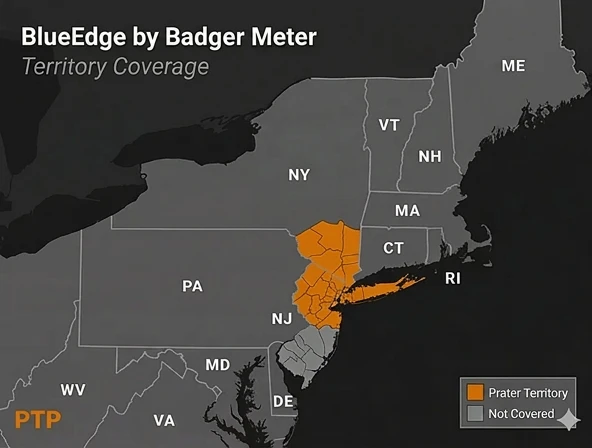
New York: New York City (all boroughs), Long Island, and the Hudson Valley — Westchester, Rockland, Putnam, Orange, Ulster, Dutchess, and Sullivan (ZIP 10000–11999 and 12400–12799). And Greene and Delaware counties that fall within ZIP 12400–12799
New Jersey: Northern NJ (07000–07999) and Central NJ (08500–08999)
New Jersey: Northern NJ (07000–07999) and Central NJ (08500–08999)
Territory above applies to Telog as a regional Badger Meter line. Other Badger lines have their own coverage — see the Badger Meter family page.
Specifications compiled by Prater Technical Partners from Telog product datasheets.